In 1969, a young American arrived at Kovalam beach in Kerala with a surfboard on a local fishing boat. The fishermen had no idea what he was looking for. He didn't know he was about to become one of the first people to surf India. Years later, he recalled how the villagers stood on the shore, watching him glide along the wave, unsure whether he was swimming or drowning. He, apparently, didn't notice.
Today, more than half a century on, surfing in India is still a relatively small scene. But it's growing. And those who know where to look find breaks they can have entirely to themselves — waves that hold their own against anything you'd find in Bali.
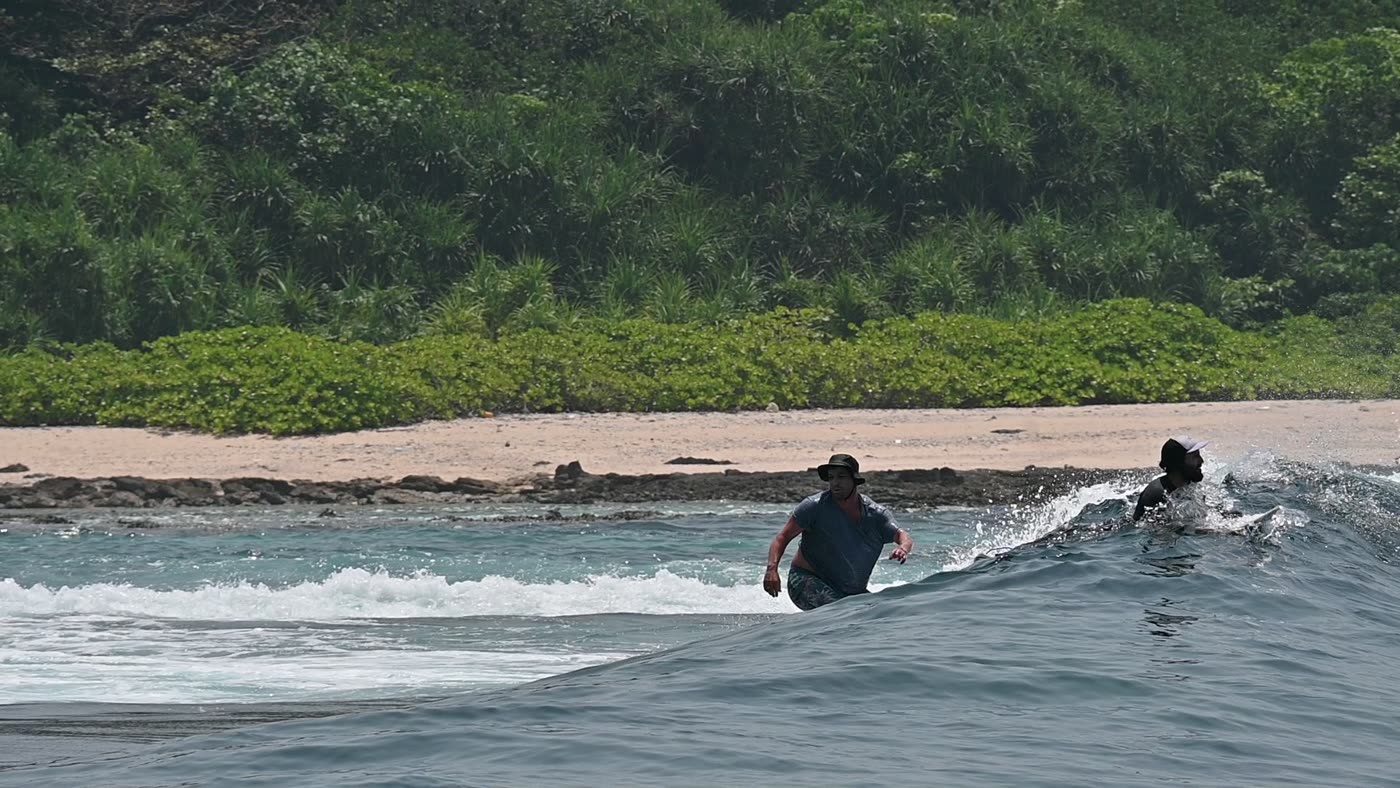
How It All Began: Hippies, Waves, and the Discovery
The 1960s and '70s were the era of the overland traveller. Waves of young people from Europe and America left everything behind and headed east. The legendary route from London to Calcutta via Turkey, Iran, Afghanistan and India. Some stopped in Goa. Some pushed further south.
Kovalam was a natural pause. A quiet fishing village with a sheltered bay, consistent surf, and locals who didn't ask questions. The first surfers who arrived in the 1970s found a completely empty ocean. Not because the waves were poor — simply because nobody had thought to look. It just hadn't occurred to anyone that tucked inside all the density and chaos of India, there was a surf coast hiding in plain sight.
Those first surfers didn't "discover" the Indian Ocean. They just asked questions that nobody had bothered to ask before.
Kovalam, Kerala: The Heartbeat of Surfing in India
Kovalam, around 16 km north of Thiruvananthapuram, remains the most established name in India's surf scene. Breakwater Beach is the main peak: a wave that typically runs 2–5 feet, with decent shape and solid consistency during the right season.
The Kovalam Surf School, founded in 2004, has become an institution. It's largely responsible for growing the local surfing community. Today Kovalam has young Indian surfers who grew up on these waves and compete at a national level — a reality that simply didn't exist twenty years ago.
Surf season at Kovalam: October to March. The best swells arrive from the Southern Indian Ocean between November and February. The monsoon (June–September) brings waves too, but the sea is raw and not recommended for most surfers.
Mantra Surf Club: Karnataka's Tight-Knit Community
Mulki, 30 km north of Mangalore in Karnataka, is probably home to the most cohesive surf community in India. Mantra Surf Club (founded 2007) isn't just a surf school — it's an organisation that has trained generations of Indian instructors, run national competitions, and shaped a significant part of the country's surf culture.
The waves at Mulki are beach break over sand. Not spectacular, not as clean as reef, but consistent and accessible to all levels. On a good day the sessions here are genuinely enjoyable. The local community is warm and welcoming, and has spent years building something real.
Varkala: The Clifftop Gem
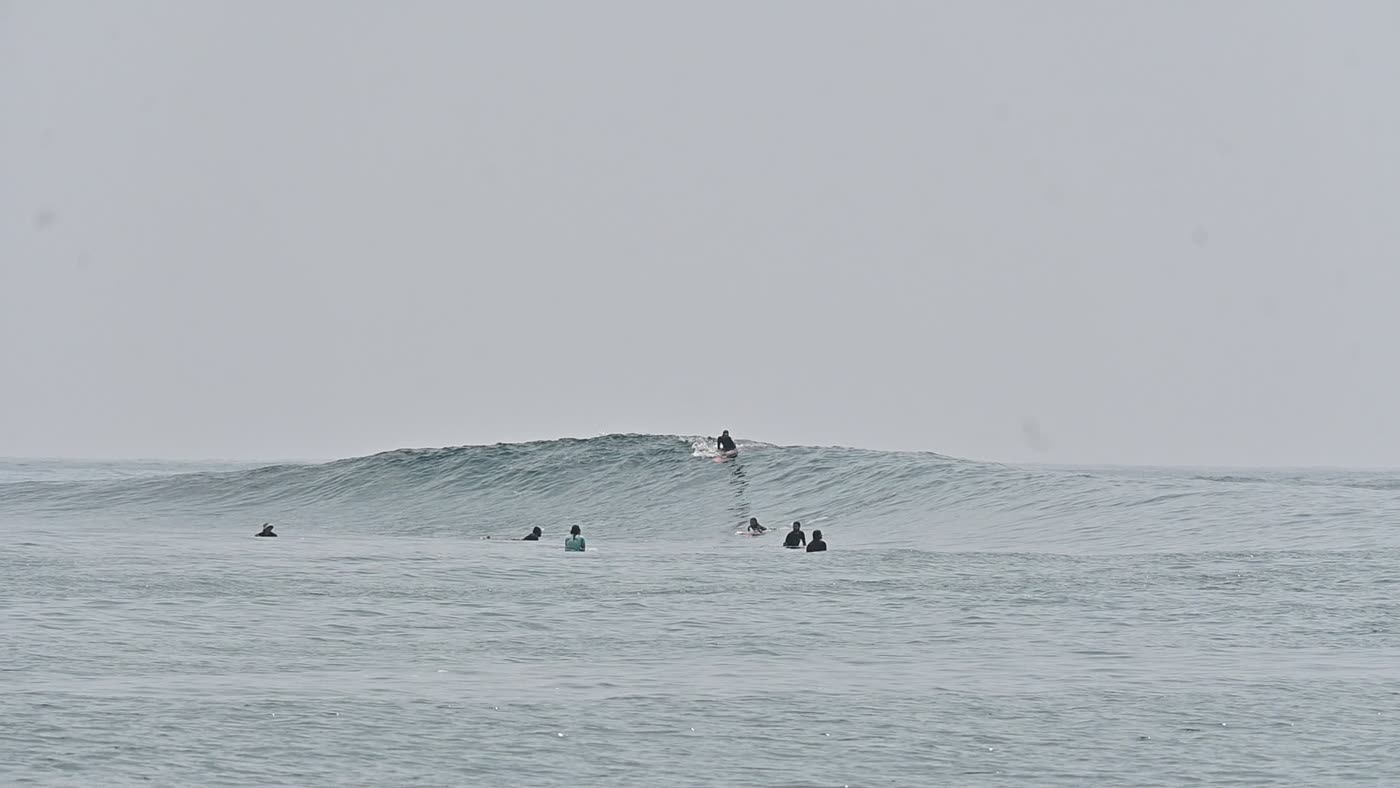
Varkala is different. The beach sits at the base of a tall red-earth cliff, with restaurants and cafés perched above, overlooking the sea. It gives the place a bubble-like quality — pleasant, slightly touristy, less raw than Kovalam.
The waves at Varkala suit beginners and intermediates: soft beach break where dozens of travellers learn to surf each season. For an experienced surfer? Less exciting. Worth visiting? Absolutely.
Goa: The Monsoon Secret
Goa is famous for everything except surfing. But there's a small secret: during monsoon season, June through September, real waves arrive. Not soft, forgiving ones — proper surf with size and shape. They're unpredictable, but on the right day beaches like Ashwem or Vagator genuinely deliver.
During India's summer months most tourists have fled. The ocean empties out. Those willing to be flexible can find excellent sessions at times of year when almost nobody else is around.
Tamil Nadu: The Forgotten Chapter
Mahabalipuram near Chennai doesn't appear on any surf list. It's an archaeological site, not a surf spot. But along Tamil Nadu's coastline there's beach break that produces surfable waves in the right months — and for the surfer who wants an empty ocean and a genuinely different experience, it's an interesting option.
There's almost no scene here. No surf schools, no rental equipment. You need to bring everything. For those prepared to do that, it's precisely why the place stays empty.

Surfing Andaman: The Last Frontier
Every spot covered above — Kovalam, Mulki, Varkala, Goa — is part of familiar India. Infrastructure exists, conditions can be forecast, logistics can be planned. Surfing in the Andaman Islands is something else entirely.
Surfing Andaman means unridden reefs. Empty lineups where the only person in the water is you. Swells that travel straight from the open Indian Ocean with nothing to block them, arriving with power and consistency you simply won't find on India's eastern mainland.
The best spots in Andaman are only reachable by boat — and most don't even have names yet. Kumari Point delivers long rides of several hundred metres on a good day. Butler Bay offers clean, consistent lefts suited to any level. Muddy's features a slab section that opens into a perfect performance wave further down the line. And most spots have never been surfed enough times to appear on any map.
A surf trip to Andaman isn't for everyone. You fly to Port Blair, board a boat, head into open water, and spend a week in an environment with none of the usual urban comforts. But for surfers looking for the "beyond" — what lies past the known breaks and the surf forecast apps — Andaman is the answer. It's where surfing India stops being a guide and becomes an expedition.
Where to Go and When: Spots & Season Overview
| Region | Wave type | Best season | Surfer level |
|---|---|---|---|
| Kovalam, Kerala | Consistent beach break | October – March | Beginner to advanced |
| Mulki, Karnataka | Sand beach break | September – February | Beginner to intermediate |
| Varkala, Kerala | Gentle beach break | November – February | Beginner |
| Goa | Beach break (monsoon) | June – September | Intermediate to advanced |
| Andaman Islands | Reef point break | September – November | Intermediate to advanced |
What the Maps Don't Show
Every spot described here is a known quantity. They've been researched, photographed, given names. But surfing in India is still in a phase of genuine discovery. There are beaches along 7,500 km of coastline that have never seen a surfer. Islands that nobody has attempted to surf at all.
Part of what we do at Surfing Andaman is to discover, carefully and with respect for the environment and local communities, what remains hidden. On every surf trip we run, we find at least one break that has no name yet. One per year is enough to remember that the surf map of India is still being drawn.